
I have written about Safed Musli vs Ashwagandha for stamina before, and the most common reply I got was: “Okay, but which one for me?” That is a fair question. So this 2026 update skips the herb-by-herb profile and starts from your life instead: the kind of work you do, the kind of tiredness you feel, and the season you are in. By the end, you should know whether one herb, the other, or both make sense for your roz ki routine.
A quick reminder of the basics. Ashwagandha (Withania somnifera) is a rasayana herb traditionally used to support strength, stamina and a calm response to stress. Safed Musli (Chlorophytum borivilianum) is traditionally used as a nourishing, strength-giving tonic. Both support energy, but in different ways, and that difference is the whole point of this guide.
Table of Contents
First, Name Your Tiredness: Stress-Tiredness vs Physical Fatigue
In my experience writing about herbs, people say “low stamina” when they mean two very different things.
Stress-tiredness
You slept seven hours but wake up drained. Your body did not do much, yet you feel exhausted by evening. Deadlines, screen time and a busy mind are usually behind it. This is where Ashwagandha fits naturally, because its traditional role is about supporting the body’s balance under stress, not only adding raw strength.
Physical fatigue
Your muscles feel used up. You lift, walk, stand or travel all day, and the body asks for nourishment and recovery. This is where Safed Musli’s traditional role as a nourishing tonic makes more sense to me.
Many people have a bit of both. If so, ask which one bothers you more on a normal Tuesday, and start there.
Desk Job vs Physical Job: Which Herb Fits Your Work
| Your situation | Main drain | My first pick | Why |
|---|---|---|---|
| Desk job, long screen hours | Mental load, poor switch-off | Ashwagandha | Traditionally supports stress balance |
| Field sales, lots of travel | Mixed: stress plus movement | Ashwagandha, then review | Stress usually dominates |
| Physical job, standing or lifting | Muscle tiredness | Safed Musli | Traditionally nourishing and strength-giving |
| Regular gym plus office job | Both | Start one, consider both later | Avoid adding two herbs at once |
| Home-maker with heavy daily chores | Physical and routine fatigue | Safed Musli | Nourishment for steady work |
Matching the herb to the drain is, I think, the single most useful step.
Winter Use: How the Season Changes the Choice
Sardi mein the equation shifts a little. Ayurveda considers winter a season when digestion is strong and the body can make good use of nourishing foods and herbs. That makes winter a sensible time to try a strength-supporting herb.
Taseer, briefly: Ashwagandha is traditionally considered warming, which many people find comfortable in cold months. Safed Musli is traditionally considered cooling and heavy. In winter, with strong digestion, Safed Musli is usually manageable; but if your digestion is slow or you feel heavy after meals, take it after a proper meal and keep your diet lighter. I will not go deeper into taseer here, since we have covered it separately.
Taking Them Together vs Separately
This is the question I get most in 2026. Here is how I think about it.
Separately (my default advice)
Start with the herb that matches your main tiredness. Take it consistently for three to four weeks, following the label. This tells you clearly how your body responds.
Together (when both drains are real)
Ashwagandha and Safed Musli are often paired in traditional formulations, so combining them is not unusual. If you have both stress-tiredness and physical fatigue, you might add the second herb after a few weeks on the first. Many people take Ashwagandha later in the day and Safed Musli after lunch, but follow the label and your practitioner’s advice rather than any fixed rule. Dhyan rakhein: two capsules of two herbs is not “double stamina”. It is just two supports, each doing its own job.
Prices, Offers and Trust
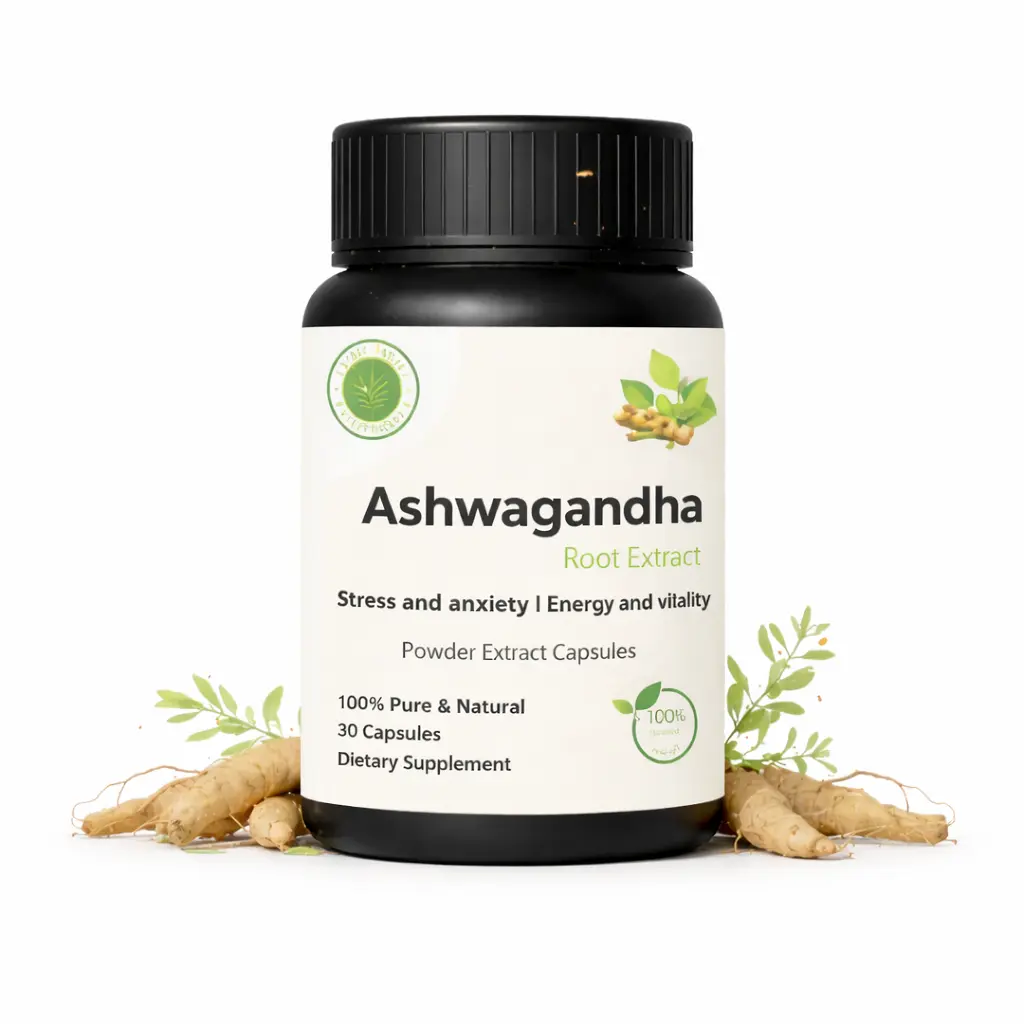
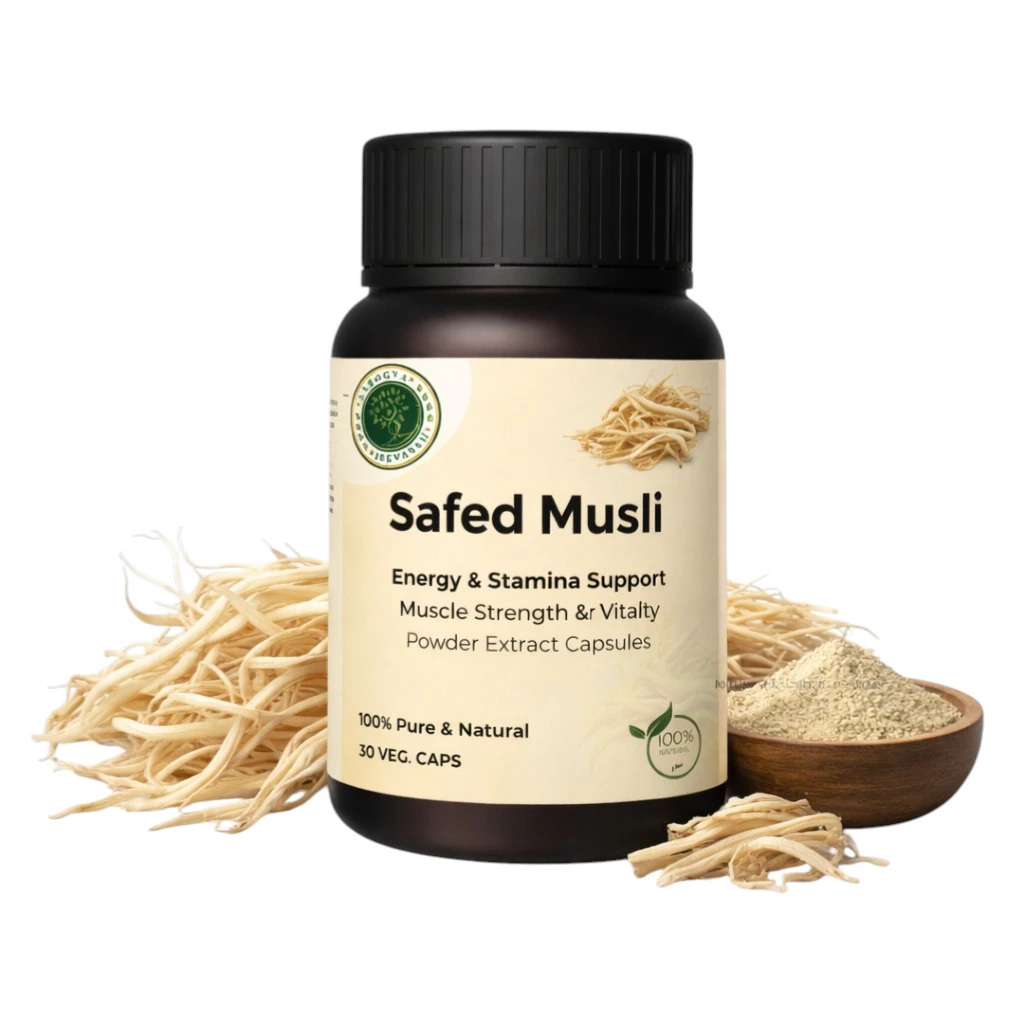
Here are the two products from our store. Prices are from the shop listing, so please check the product page for the current price.
₹599 ₹1,099
General wellness support only, not a cure for any condition. Check with your doctor first if you take medicines.
₹649 ₹1,199
General wellness support only, not a cure for any condition. Check with your doctor first if you take medicines.
At those listed prices, both work out to roughly ₹20 to ₹22 per capsule. First-time buyers can use code NEW10 for 10% off, prepaid orders get an extra 5% off, shipping is free above ₹499, and COD is available. Offers may change, so confirm at checkout. Both capsules are made following Ayush and GMP standards and are lab tested.
Precautions
-
Pregnant or breastfeeding women should not take either herb without a doctor’s advice.
-
Not for children or anyone under 18 unless advised by a doctor.
-
People on regular medication, especially for thyroid, blood sugar, blood pressure, sleep or anxiety, should check with their doctor first, particularly for Ashwagandha.
-
Those with autoimmune conditions should get medical advice before Ashwagandha.
-
If you have slow digestion, bloating or heaviness, Safed Musli may feel heavy; take it after food and stop if discomfort continues.
-
Do not use either herb to push through genuine exhaustion. Persistent fatigue needs a medical check-up.
Related reading: Ashwagandha Capsules vs Ashwagandha Powder: A Practical Buyer’s Comparison · Safed Musli vs Ashwagandha: Which Is Better for Stamina and Energy? · Tongkat Ali Capsules Price in India: What You Pay For and How to Judge Value
Trusted references: NIH Office of Dietary Supplements: Ashwagandha · Ministry of Ayush, Government of India. Questions about which product suits you? Talk to our expert or browse the full shop.
Frequently Asked Questions
I work night shifts. Is Safed Musli or Ashwagandha more suitable?
Night shifts are usually more about disturbed rhythm than muscle work, so I lean towards Ashwagandha. Since sleep timing is unusual, ask your doctor when in your cycle to take it.
My job is physical, but I also feel anxious. Can I start both on day one?
I would not. Begin with whichever drain is worse, give it three to four weeks, then add the second with a practitioner’s input. Starting both makes it hard to know what is helping.
Will Safed Musli feel too heavy with rich winter food like gajar halwa and parathas?
It might, if meals are already heavy. Keep it after a moderately sized meal and watch for bloating. If you feel sluggish, cut back on the heavy food before blaming the herb.
Can a woman with a physically demanding routine take Safed Musli for stamina?
Yes, Safed Musli is traditionally used by adults generally, not only men. Pregnant or breastfeeding women should avoid it unless a doctor approves.
Should I stop Ashwagandha when summer arrives because of its warming nature?
Not necessarily. Some people reduce it in peak summer or take it with milk. Notice how you feel, and if you get warmth-related discomfort, speak to a practitioner.
Disclaimer: This article is for educational purposes only and is not medical advice. Safed Musli Herbal Capsules and Ashwagandha Herbal Capsules are not intended to diagnose, treat, cure or prevent any disease. Please consult a qualified doctor or Ayurvedic practitioner before starting any supplement.

Products related to this article
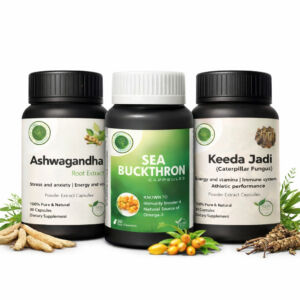 63% Off
Ultimate Strength Combo – Ashwagandha, Keeda Jadi & Sea Buckthorn
Best for: Strength & Stamina Support, Energy & Performance Boost
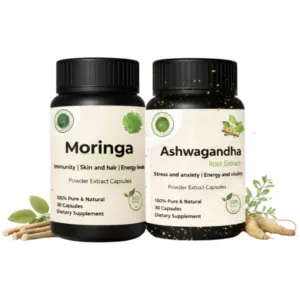 61% Off
Ashwagandha & Moringa Capsules – Stress & Energy Support
Best for: Reduces Stress Naturally, Boosts Natural Energy
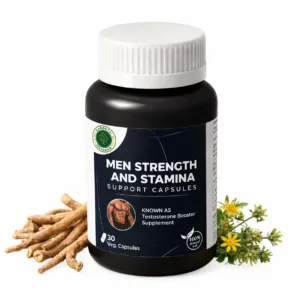 75% Off
Men Strength and Stamina Support Capsules
Best for: Supports male vitality, Promotes stamina and endurance