

Most lists of winter immunity boosting tips Ayurveda offers online assume you live in an ashram. I write for people with office hours and school runs, so here are twelve habits I consider realistic, each with a short Ayurvedic reason. You do not need all twelve. Pick three or four and make them your roz ki routine.
Ayurveda sees early winter (hemant) and late winter (shishir) as seasons when digestive fire is naturally strong and the body can build strength. The catch is that cold, dry air also aggravates vata. Most of these tips are about using that strong agni well while keeping vata calm.
Table of Contents
Morning Dincharya: Tips 1 to 4
1. Wake up at a fixed time, ideally before sunrise
Classical texts recommend brahma muhurta, roughly 90 minutes before sunrise. In Delhi in January that is hard, so I focus on consistency. In my experience, readers who fix their wake-up time find the other habits easier.
2. Start with warm water, not cold
A glass of warm water on waking is one of the simplest Ayurvedic habits. Cold water in winter is seen as dampening agni. Sip it slowly, do not gulp.
3. Do abhyanga (oil massage) before your bath
This is my favourite winter habit. Warm sesame oil massaged into the skin for 5 to 10 minutes is traditionally used to calm vata, nourish dry skin and keep joints comfortable. If mornings are rushed, do just feet, knees and scalp. Then bathe with lukewarm, not very hot, water.
4. Get 15 to 20 minutes of morning sunlight
Sitting or walking in gentle morning sunlight supports your sense of energy and is a traditional part of winter living.
Food and Kitchen: Tips 5 to 8
5. Eat warm, cooked, freshly made food
Raw salads, cold smoothies and fridge-cold leftovers sit heavily in winter. Soups, dals, khichdi and sabzi cooked with ghee suit the season better, as do seasonal foods like gur, til and root vegetables.
6. Use warming spices daily
Ginger, black pepper, haldi, ajwain, cinnamon and cloves are kitchen staples for a reason. A pinch of haldi in milk at night or ginger in your tea is traditional, inexpensive and easy. Dhyan rakhein: more is not better. If you get acidity, go lighter.
7. Do not skip meals when you are hungry
Because winter agni is strong, Ayurveda warns against fasting or starving the body in this season. Eat a proper breakfast and do not let lunch slide to 4 pm. A strong fire with no fuel is believed to disturb vata.
8. Keep hydrating even if you are not thirsty
Thirst drops in cold weather, but dry air still pulls moisture from your skin and throat. Keep a flask of warm water or jeera water at your desk.
Movement, Sleep and Rest: Tips 9 to 12
9. Exercise a little more than in summer
Ayurveda supports more vigorous exercise in winter, traditionally up to about half your capacity. A brisk walk, yoga or surya namaskar works well.
10. Sleep early and avoid long daytime naps
Aim to sleep by 10 to 10:30 pm. Ayurveda discourages long daytime sleep, except for the elderly, the unwell and young children, because it is seen as increasing heaviness.
11. Keep your head, ears and feet warm
A cap, a muffler over the ears and socks at home are simple, unglamorous ways to keep vata calm.
12. Try a gentle steam or nasya routine
Inhaling plain steam for a few minutes in the evening can feel soothing in dry weather. Traditional nasya, a couple of drops of suitable oil in each nostril, is best learned from a practitioner first rather than copied from a video.
A Simple Winter Day at a Glance
| Time | Habit | Why it helps |
|---|---|---|
| On waking | Warm water | Gently awakens digestion |
| Before bath | Abhyanga with sesame oil | Calms vata, eases dryness |
| Morning | 15-20 min sunlight and walk | Energy and routine |
| Lunch | Main meal, warm and cooked | Uses strong winter agni |
| Through the day | Warm water or herbal tea | Hydration in dry air |
| Night | Sleep by 10:30 pm | Rest and recovery |
Optional Add-On: Where Herbal Capsules Fit
Habits first, supplements second. But fresh amla is only around for a few months, and if you find it hard to include daily, a single herbal capsule can be a convenient add-on to the routine above, never a replacement for it.
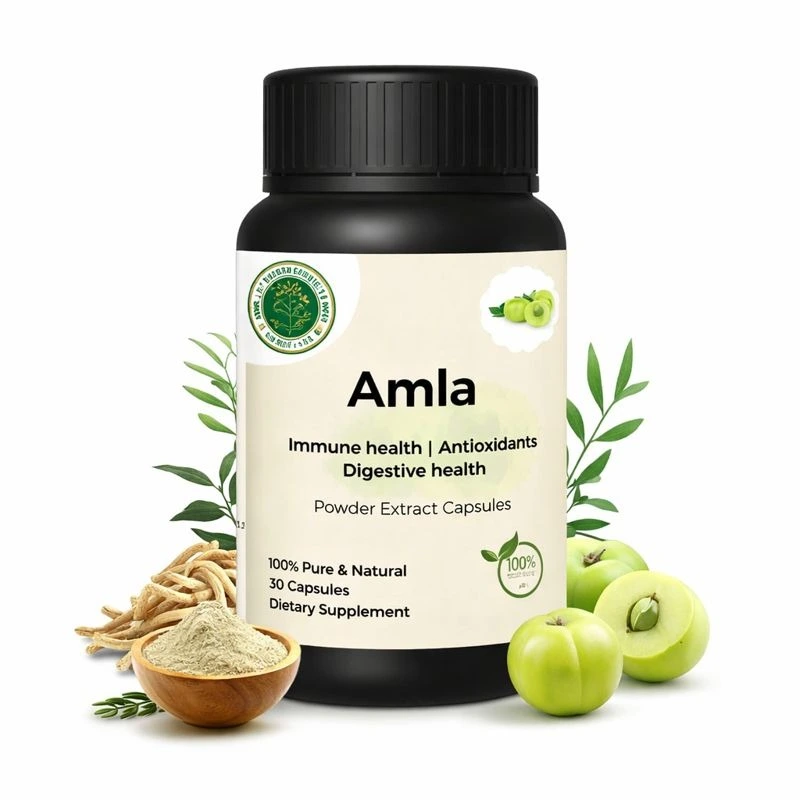
₹549 ₹999
General wellness support only, not a cure for any condition. Check with your doctor first if you take medicines.
On aarogyajeevanam.in, first-time buyers can use code NEW10 for 10% off, get an extra 5% off on prepaid orders, free shipping above ₹499, and COD is available. Offers may change, so confirm at checkout. The capsules are made following Ayush and GMP standards and are lab tested.
Precautions
-
Pregnant or breastfeeding women should check with a doctor before nasya, strong spices in large amounts, or any herbal capsule.
-
Children need gentler versions: lighter oil massage, mild spices and no supplements without a paediatrician’s advice.
-
People on regular medication, especially for blood sugar, blood pressure or blood thinning, should ask their doctor before adding herbal capsules or large daily doses of haldi.
-
Skip abhyanga on broken skin, during fever or right after a heavy meal.
-
With a heart, joint or breathing condition, follow your doctor’s exercise advice.
Related reading: Ayurvedic Capsules for Winter Immunity in India: A Practical 30-Day Plan · Mulethi Capsules for Throat: My Winter Throat Comfort Routine · Best Ayurvedic Immunity Capsules for Winter: A 5-Product Buyer’s Roundup
Trusted references: NIH Office of Dietary Supplements: Vitamin C · Ministry of Ayush, Government of India. Questions about which product suits you? Talk to our expert or browse the full shop.
Frequently Asked Questions
I have oily, acne-prone skin. Should I still do winter abhyanga?
You can, but use a lighter touch and a lighter oil, focus on feet, joints and scalp, and wash off well with lukewarm water. If your face breaks out, skip the face.
Is gur and til ke laddoo every day a good idea for winter immunity?
In small amounts, they fit traditional winter eating. One small laddoo is plenty. If you are watching your blood sugar or weight, check with your doctor about portion size.
How do I know if my winter exercise has crossed half capacity?
Ayurveda’s traditional sign is when you begin breathing through your mouth or feel light sweat on the forehead, armpits or spine. Stop there and cool down.
When should I switch from this winter routine to a spring routine?
Around late February to March, as vasant ritu begins, Ayurveda suggests lighter food, less sweet and heavy items, and more active movement as kapha starts to rise.
My office has heaters running all day. Do these hydration tips change?
Heated rooms are even drier, so sip warm water through the day. Dry lips and nostrils are signs you need more.
Disclaimer: This article is for educational purposes only and is not medical advice. Products mentioned are not intended to diagnose, treat, cure or prevent any disease. Please consult a qualified doctor or Ayurvedic practitioner before changing your diet, routine or starting any supplement.

Products related to this article
 46% Off
Neem and Amla Capsules – Ayurvedic Skin, Detox & Immunity Formula
Best for: Skin Purity, Immune Shield
 61% Off
Detox and Habit Support Capsules (60 Veg Capsules)
Best for: Supports a Calm Mind, Promotes Mental Clarity